
A fire doesn’t warn you before it starts. In a matter of minutes, an unchecked blaze can destroy years of hard work, injure or kill employees and customers, and expose your business to devastating legal and financial consequences. Yet every year, thousands of businesses find themselves unprepared. Not because they didn’t care, but because they didn’t know what was required of them.
Fire safety compliance is one of the most important responsibilities a business owner carries. It’s also one of the most layered, with federal standards, national codes, and local regulations all working in tandem. Understanding what applies to your business is not just a legal obligation — it’s an act of leadership that protects the people who walk through your doors every day.
This guide breaks down the key fire safety regulations you need to know, from prevention and suppression to egress requirements, employee training, and when professional fire watch services become essential.
Understanding the Regulatory Framework
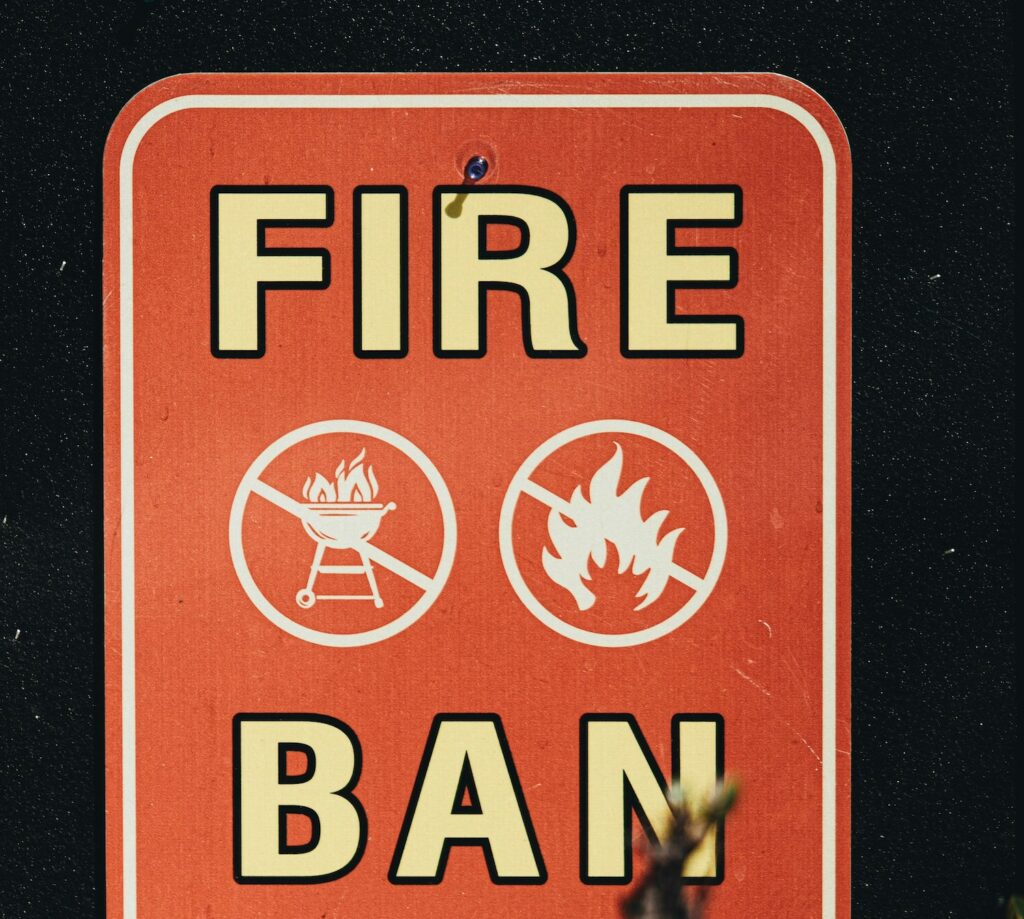
Fire safety in the United States is governed by a patchwork of overlapping authorities, and navigating them can feel overwhelming. At the federal level, the Occupational Safety and Health Administration (OSHA) sets baseline workplace fire safety standards under 29 CFR 1910 (for general industry) and 29 CFR 1926 (for construction). These rules cover everything from exit routes and fire extinguisher availability to emergency action plans and employee training.
Alongside OSHA, the National Fire Protection Association (NFPA) publishes widely adopted model codes — most importantly NFPA 1 (the Fire Code) and NFPA 101 (the Life Safety Code). While the NFPA itself does not have enforcement authority, most states and municipalities have adopted its codes into local law, making them effectively mandatory.
Your local fire marshal is the authority with the most direct impact on your day-to-day operations. They conduct inspections, issue permits, and enforce local fire codes. When federal, state, and local rules appear to conflict, the stricter standard almost always applies. Building a relationship with your local fire marshal, rather than waiting for a compliance notice, is one of the smartest moves you can make as a business owner.
Fire Prevention: Reducing Risk Before It Ignites
Prevention is the foundation of every effective fire safety program. Regulations in this area address how your business stores materials, manages electrical systems, and maintains general housekeeping standards.
Flammable and combustible materials must be stored in clearly labeled, approved containers and kept away from ignition sources. This is especially critical in manufacturing, food service, auto repair, and any industry where solvents, fuels, or chemicals are part of daily operations. Improper storage is one of the most common violations cited during fire inspections.
Electrical safety is another major area of focus. OSHA and local codes require that electrical systems be properly rated for the loads they carry, that extension cords not be used as permanent wiring, and that electrical panels remain accessible and unobstructed. Overloaded circuits and damaged wiring are leading causes of commercial fires.
Routine housekeeping matters more than most owners realize. Combustible waste like cardboard, paper, and packaging material should be cleared regularly. Clutter in storage areas, hallways, and loading docks creates both fire hazards and egress risks. Businesses that conduct welding, cutting, or grinding operations also need hot work permits. This formal authorization ensures that fire watches and protective measures are in place before ignition sources are used near flammable materials.
Fire Suppression and Detection Systems
Automated fire protection systems are among the most life-saving investments a business can make, and regulations dictate not just whether you need them, but how they must be installed, tested, and maintained.
Automatic sprinkler systems are required in most commercial occupancies beyond a certain size. The specific requirements depend on your building type, occupancy classification, and local code. Sprinkler systems must be inspected and tested at regular intervals — quarterly for certain components, annually for full system testing — and every inspection must be documented.
Smoke detectors and fire alarm systems are required in virtually all commercial properties. Depending on your occupancy, you may need addressable systems that can pinpoint the exact location of an alarm, voice notification systems, or systems integrated with your building’s access control. Monthly testing of alarm devices and annual inspections by a licensed fire protection contractor are standard requirements.
Fire extinguishers must be placed within 75 feet of travel distance (30 feet for high-hazard areas), clearly visible, and mounted at the proper height. They must receive annual inspections and six-year internal maintenance checks, with all service documented on attached tags. Restaurants and commercial kitchens face additional requirements for hood suppression systems that protect cooking equipment, systems that must be inspected every six months.
When fire suppression or detection systems go offline due to maintenance, malfunction, or construction, your building’s risk exposure increases dramatically. This is precisely when a professional fire watch becomes legally required and operationally critical.
Egress: The Path Out Must Always Be Clear
No fire safety regulation is more immediately life-critical than those governing egress. The ability to evacuate quickly and safely depends on properly designed, unobstructed, and clearly marked exit routes… and the rules around this are strict.
Exit signs must be illuminated and visible from any point along the exit path. Emergency lighting must activate automatically within 10 seconds of a power failure and sustain illumination for at least 90 minutes. These requirements apply even in small commercial spaces.
Exit doors must swing in the direction of egress travel for occupancies above a certain capacity. Panic hardware (push bars) is required on doors in assembly and educational occupancies. Exit routes must be wide enough to accommodate your maximum occupancy and must never be blocked by merchandise, equipment, furniture, or stored materials — even temporarily.
The minimum number of exits required depends on the size and occupancy of your space. A single exit may be permissible for very small occupancies with low capacity, but most commercial buildings require at least two remote exits with clear, unobstructed travel to the outside. Your local fire code and occupancy classification determine the exact requirements.
Employee Training and Emergency Planning
Your fire safety systems are only as effective as the people who use them. OSHA requires that all employees receive fire safety training when they are first hired and annually thereafter. That training should cover the location of fire extinguishers and exits, how to report a fire, and evacuation procedures specific to your facility.
Businesses with more than 10 employees are generally required to maintain a written Emergency Action Plan (EAP). This document must detail evacuation procedures, employee responsibilities during an emergency, methods for accounting for all personnel after evacuation, and procedures for employees who may need assistance. The EAP must be reviewed with every employee upon hire and whenever the plan changes.
Designating and training fire wardens or safety officers adds another layer of preparedness. These individuals are responsible for sweeping their area during an evacuation, assisting any employees who need help, and reporting to the incident commander once outside. Regular fire drills — documented and timed — are required in many occupancies and help ensure that when the alarm sounds, everyone knows exactly what to do.
Documentation is equally important. Keep meticulous records of all training sessions, fire drills, equipment inspections, and hot work permits. These records are your evidence of compliance during an inspection and your defense in the event of a liability claim.
Industry-Specific Considerations
While baseline fire safety regulations apply to all commercial properties, many industries face additional requirements that go significantly further.
Healthcare facilities are subject to some of the most rigorous fire safety standards in existence. NFPA 99 governs healthcare occupancies in detail, and the Centers for Medicare and Medicaid Services (CMS) imposes its own compliance requirements for any facility participating in federal healthcare programs. Fire drills in hospitals must account for patients who cannot self-evacuate, and staff must be trained in compartmentalization and defend-in-place procedures.
Restaurants and commercial kitchens must comply with NFPA 96, which governs ventilation control and fire protection of commercial cooking operations. This includes required clearances around cooking equipment, grease trap maintenance schedules, and semi-annual inspections of hood suppression systems. A grease fire that spreads beyond the cooking area is one of the most preventable tragedies in the industry.
Warehouses and storage facilities face heightened requirements based on what is stored, how high it is stacked, and how it is arranged. High-piled combustible storage triggers specific sprinkler design requirements and aisle width minimums. Hazardous material storage adds another layer of permitting and containment requirements.
Construction sites are a category unto themselves. With no permanent fire suppression systems in place, no clearly established egress routes, and hot work happening constantly, construction sites represent one of the highest fire risk environments in commercial real estate. OSHA 29 CFR 1926 Subpart F specifically addresses fire protection on construction sites and requires a written fire prevention plan, proper storage of flammable materials, and, in many cases, dedicated fire watch personnel.
Inspections, Permits, and What Happens When You Fail
Local fire marshals conduct periodic inspections of commercial properties — sometimes announced, often not. During an inspection, the marshal will evaluate your suppression and detection systems, egress routes, hazardous material storage, documentation, and compliance with any previous violations. Findings are typically categorized by severity, and serious violations can result in fines, mandatory corrective action deadlines, or in extreme cases, immediate closure orders.
Common violations that inspectors flag include blocked or improperly marked exits, overdue fire extinguisher inspections, missing or expired documentation, improperly stored combustible materials, and fire doors propped open or obstructed. These are preventable with routine attention, but they catch businesses off guard when operations get busy and safety audits fall to the back burner.
Permits are required for a range of activities: installing or modifying fire protection systems, conducting hot work, storing hazardous materials above certain thresholds, and operating certain types of equipment. Operating without required permits is a violation in its own right, separate from any other safety issues found during an inspection.
If you receive a violation notice, take it seriously and respond promptly. Inspectors generally work collaboratively with business owners who demonstrate a genuine commitment to correcting issues. Ignoring or disputing violations without cause, however, escalates the process quickly — and the fines and legal exposure associated with repeat violations can be severe.
When You Need a Fire Watch: A Critical Gap-Filler
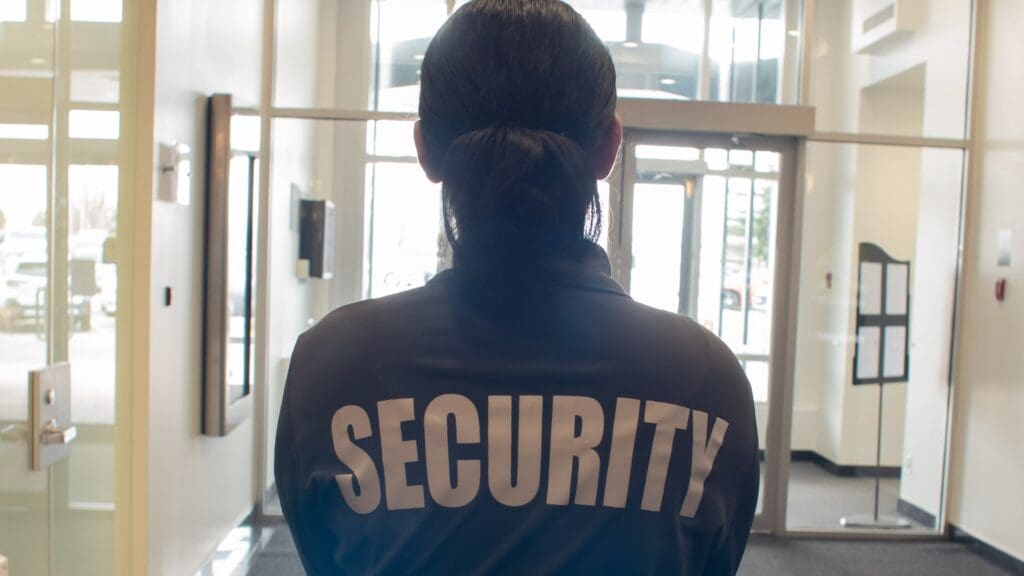
There are situations where your standard fire protection systems simply aren’t operational — and the law doesn’t allow your building to operate unprotected during those periods. This is where professional fire watch services become not just a good idea, but a legal requirement.
Fire watch services are typically required when fire alarm or sprinkler systems are out of service for more than four hours in a 24-hour period (the exact threshold varies by jurisdiction). This commonly occurs during planned system maintenance, renovation or construction work that temporarily disables portions of the suppression or detection system, equipment malfunction, or extreme weather events that disrupt system function.
A fire watch involves trained personnel conducting continuous patrols of the affected areas, monitoring for signs of smoke or fire, maintaining detailed logs of their rounds, and taking immediate action — including calling 911 and initiating evacuation — if a hazard is detected. The patrol intervals, documentation requirements, and personnel qualifications are all governed by local fire code and the authority having jurisdiction (AHJ).
Attempting to substitute a fire watch with your own untrained staff, or simply hoping for the best during a system outage, exposes your business to catastrophic liability and leaves your people unprotected. Professional fire watch providers understand the regulatory requirements, know what to document, and are trained to respond effectively when something goes wrong.
At ALK Global Security Solutions, our trained fire watch security guards provide round-the-clock coverage during system outages and impairments — with detailed logs, regulatory compliance, and rapid response capabilities. We serve commercial properties across Washington, Oregon, Florida, and Arizona.
Building a Culture of Fire Safety
Compliance is a floor, not a ceiling. The businesses that truly protect their people and their property are the ones that go beyond checking boxes and build fire safety into their organizational culture.
That starts with a proactive mindset. Conduct internal fire safety audits before your local fire marshal does. Walk your facility looking for exit obstructions, expired extinguisher tags, improperly stored materials, and signs of electrical issues. Identify gaps before they become violations.
Engage your employees as active participants in fire safety. When staff understand the why behind fire safety procedures, not just the what, they are far more likely to notice and report hazards, follow evacuation procedures correctly, and take ownership of maintaining safe conditions in their area.
Work with qualified fire protection professionals for system design, installation, testing, and inspection. Attempting to self-certify complex suppression or detection systems is not only risky, it’s often prohibited. A licensed fire protection contractor brings the expertise and accountability your systems require.
Review and update your Emergency Action Plan annually, or whenever you make significant changes to your facility layout, occupancy, or operations. A plan that reflects your old floor plan is worse than no plan. It creates false confidence.
Bottom Line: Know Your Obligations, Then Exceed Them
Fire safety regulations exist for one reason: to keep people alive and buildings standing. For business owners, compliance is the legal minimum — but the organizations that build truly safe workplaces treat these regulations as a starting point, not a finish line.
Whether you’re managing a retail location, a warehouse, a construction site, or a corporate office, the principles are the same: understand your regulatory environment, invest in proper systems and documentation, train your people, and never leave your property unprotected when systems go down.
If your fire alarm, sprinkler, or suppression systems are ever compromised, don’t wait to find out what happens next. A professional fire watch bridges the gap between system failure and restored protection, and it may be the most important call you make.
Ready to protect your business? Contact ALK Global Security Solutions to learn more about our Firewatch Security services and how we can support your fire safety compliance needs.