
The first week of a new school year brings a predictable spike in foot traffic, unfamiliar faces, new student rosters, and reworked drop-off patterns… all at once, on the same campus that ran fairly smoothly by June. That combination is exactly why so many school security gaps get exposed in September rather than any other month. It’s not that risk increases dramatically; it’s that everything that was dialed in by the end of last year resets at once.
For administrators and facilities directors, the weeks before the first bell are the window to catch what’s changed in their school security before students fill the halls. Treat this as an active, working checklist to revisit each August, rather than a single, one-time audit.
Key Security Measures for Protecting K-12 Campuses
Creating a safe learning environment requires more than a single security solution. K-12 campuses must take a comprehensive approach that addresses access control, emergency preparedness, threat prevention, and the overall safety of students, staff, and visitors. By implementing layered security measures and proactive planning, schools can reduce vulnerabilities and respond more effectively to potential threats.
Access Control and Entry Points
- All exterior doors propped or unlocked during the school day have been identified and addressed
- Single point-of-entry protocols are enforced and staffed during arrival, dismissal, and school hours
- Visitor management system is active — sign-in, ID verification, and badge issuance for every non-staff adult on campus
- Buzzer/intercom systems at main entrances are tested and functioning
- Door locks, panic hardware, and classroom lockdown mechanisms have been inspected room by room
- Staff know the protocol for a visitor who doesn’t check in properly
Perimeter and Grounds
- Fencing, gates, and other perimeter boundaries are intact after summer maintenance or construction
- Parking lots and drop-off zones have adequate lighting and clear sightlines
- Landscaping doesn’t create blind spots near entrances or windows
- Portable classrooms or temporary structures added over summer have been incorporated into patrol routes
- Bus loading and pickup zones have a defined traffic and supervision plan for the first weeks of chaotic, unfamiliar routines
Surveillance and Technology
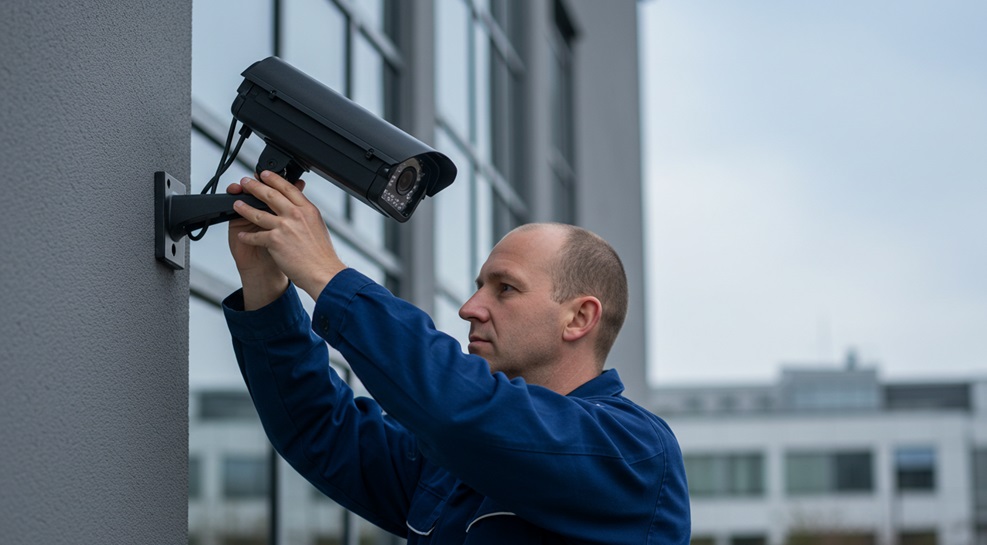
- Every camera on campus is confirmed operational, not just installed — check for blocked lenses, storage issues, or dead feeds
- Camera coverage extends to new blind spots created by summer renovations or added portables
- Alarm systems have been tested, and response protocols are current
- Access control credentials from departed staff or expired vendor contracts have been deactivated
Staffing and Personnel
- Security guard coverage matches this year’s schedule, not last year’s. New bell times, after-school programs, or expanded hours all shift staffing needs
- New hires (teachers, aides, contractors) have completed required background checks before student contact
- Security staff have been briefed on this year’s building changes, staff roster, and any known student or family concerns carried over from the prior year
- Substitute and part-time staff know who to contact and what to do in a lockdown or evacuation
Emergency Preparedness
- Lockdown, evacuation, and shelter-in-place drills are scheduled for the first month of school, not deferred to October
- Emergency contact lists and reunification plans are updated with current staff and current local police/fire contacts
- All classrooms have current, posted evacuation routes and rally points
- Staff, especially new hires, have been walked through the school’s specific emergency procedures, not just handed a document
- Communication systems (PA, mass notification, radios) have been tested campus-wide
Policy and Communication
- Parents and families have been notified of any changes to drop-off, pickup, or visitor procedures before day one
- Staff handbook reflects current security policy, not a copy-forward from a prior year
- A clear, simple reporting process exists for students or staff to flag safety concerns
- Local police and fire departments have been contacted ahead of the school year to confirm response protocols and any changes on their end
Why September Specifically Matters
School security gaps don’t announce themselves. They sit quietly until the first week of heavy, unfamiliar traffic finds them. A door that’s supposed to self-lock but doesn’t, a new hire who wasn’t briefed on the visitor policy, a camera blind spot created by a summer construction project… these are the kinds of issues that surface in week one, not week 12. Running through a checklist like this before the first bell rings is far less costly than discovering the gap after an incident.
It’s also worth treating this as an annual reset rather than a maintenance task. Staff turnover, enrollment changes, building modifications, and shifting drop-off patterns mean last year’s security plan rarely fits this year’s campus without a review.
Building a Security Plan Built for Schools
While checklists are effective for identifying gaps, a truly robust campus security posture depends on active, ongoing partnerships. This involves security personnel who understand the unique rhythm of the school day, technology that is continuously monitored rather than just installed, and pre-established relationships with local first responders built long before an emergency occurs.
Our Campus & School Security team at ALK Global Security collaborates with universities and K-12 institutions to establish multi-layered defense strategies encompassing surveillance, access control, and specialized security guard services. Rather than simple patrolling, our guards are trained to understand the unique social dynamics of a school community. Furthermore, we assist in developing emergency response protocols and executing drills alongside local fire and police departments to prevent staff improvisation in critical situations.
If your school’s security plan hasn’t been reviewed since last year, request a quote and let’s walk through what needs updating before the first day back.